Software & Tools Guides
Explore in-depth technical guides, machine troubleshooting, benchmarks, and engineering reviews for Software & Tools Guides at The Industrial Maker.
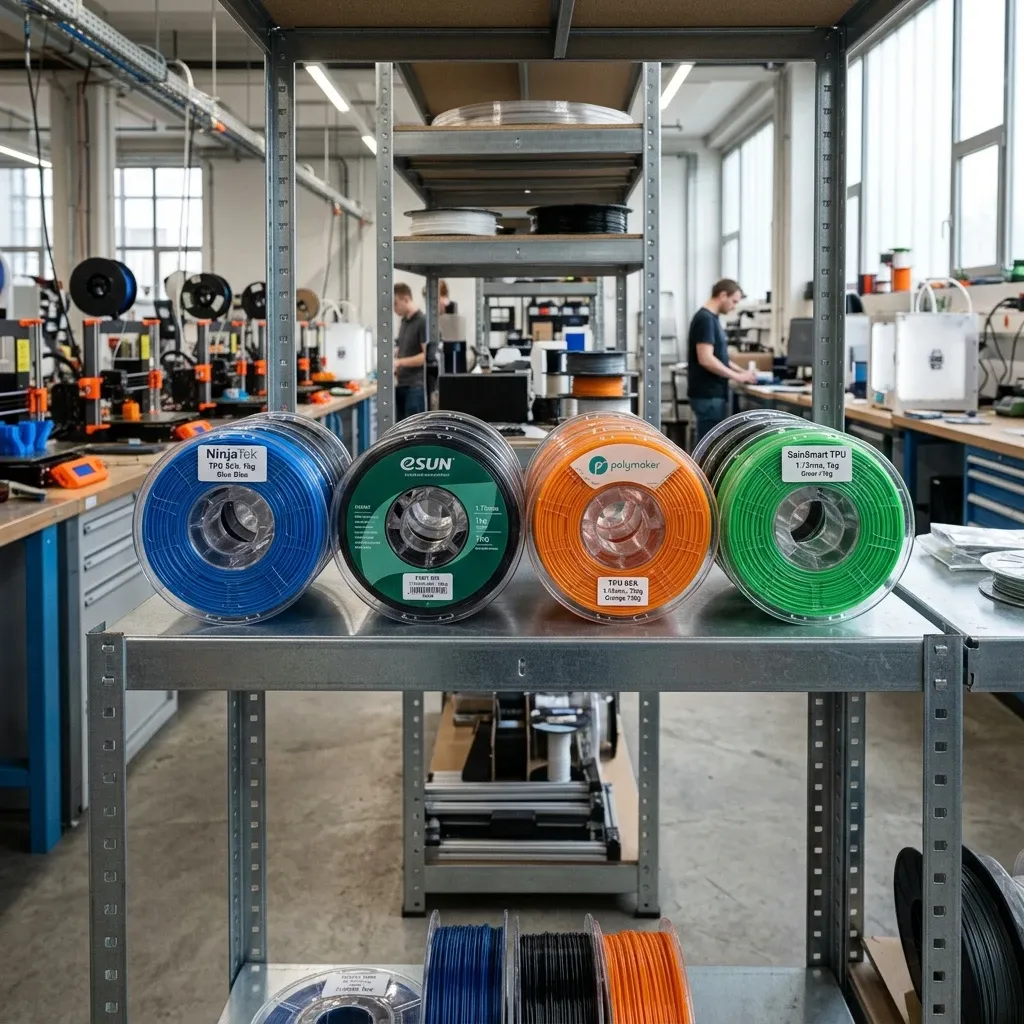
Slicing MatterHackers MH Build Series TPU: Slicer Engine Review
Benchmark OrcaSlicer, PrusaSlicer, and Ultimaker Cura when depositing MatterHackers MH Build Series TPU 95A, analyzing volumetric limits and Euler drive buckling.
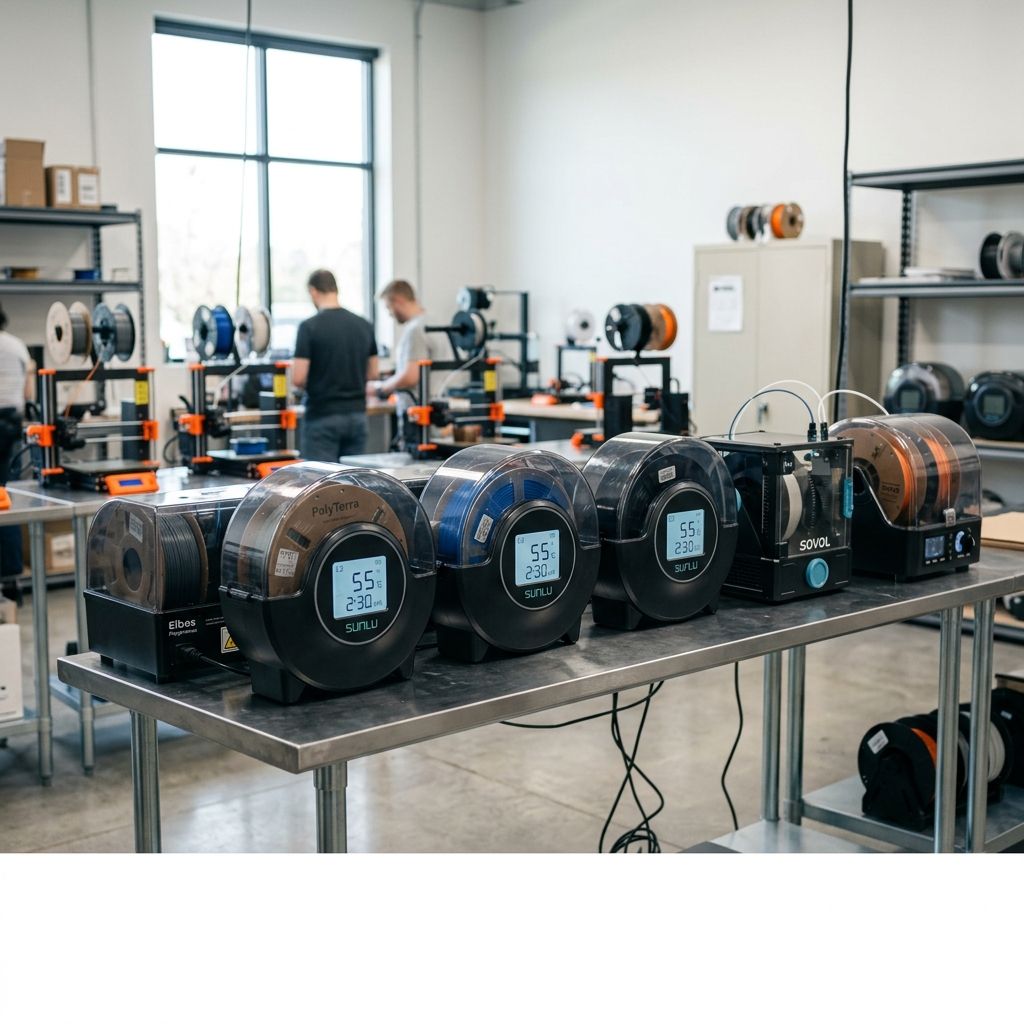
Polymaker PolyBox II Moisture Control and Shop Specs
The Polymaker PolyBox II maintains sub-15% RH for engineering filaments using passive desiccant trays, ball-bearing rollers, and rubber grommets to prevent moisture uptake.
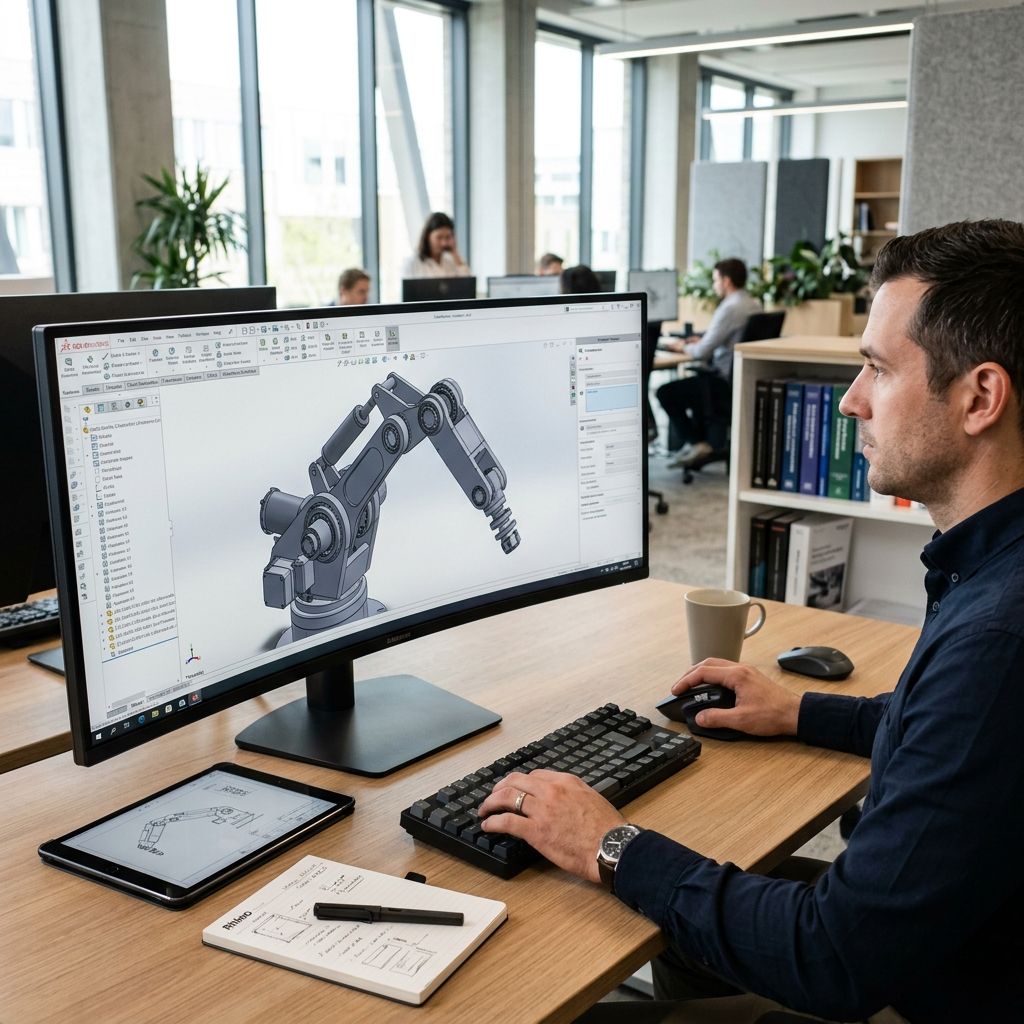
Solid Edge Community Edition: Shop-Floor Modeling Guide
Solid Edge Community Edition delivers professional-grade Parasolid modeling, synchronous direct editing, and native sheet metal unfolding for makers, though it restricts commercial file exchange.
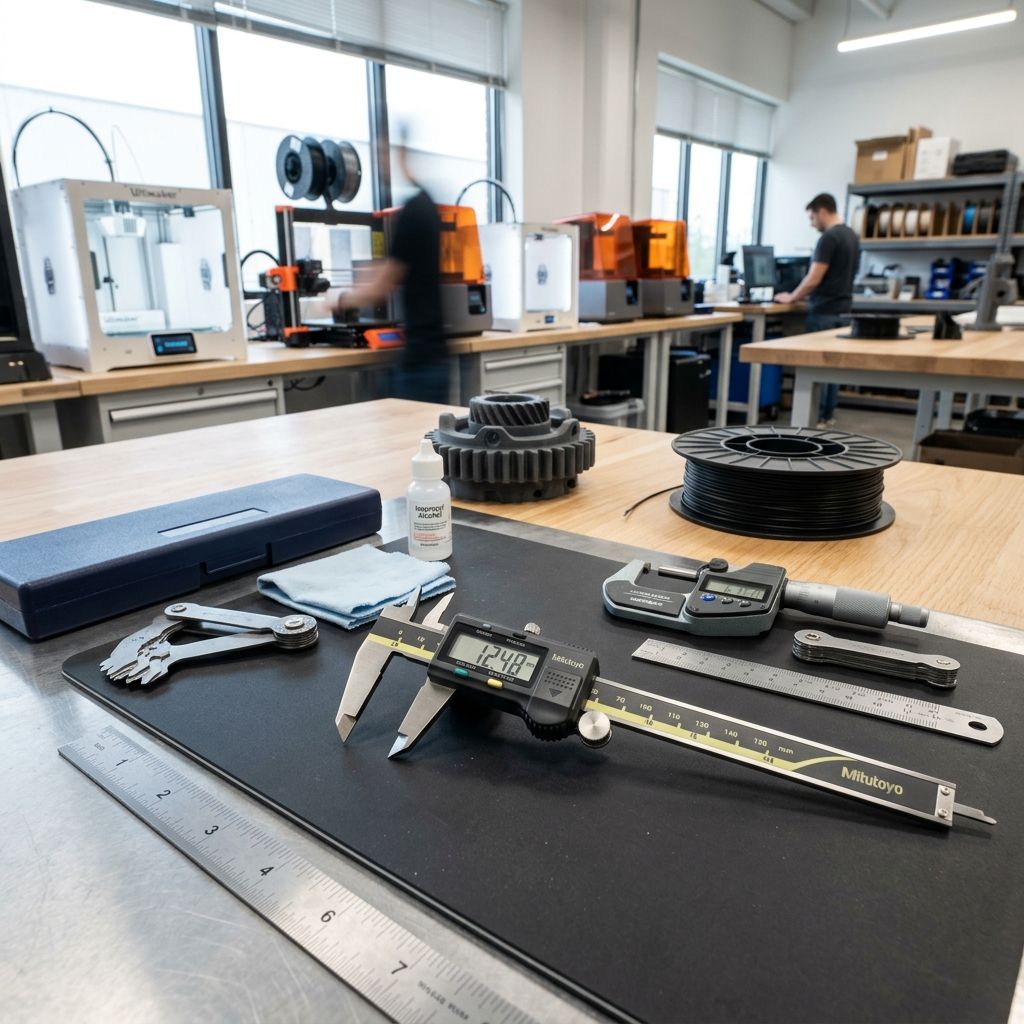
IGaging OriginCal Caliper: Material Science and Accuracy
The IGaging OriginCal uses an absolute capacitive encoder to eliminate re-zeroing, but its soft 304 stainless jaws burr easily and thermal drift (0.035mm over 20°C) exceeds Mitutoyo's. Suitable for light shop use, not precision or coolant environments.
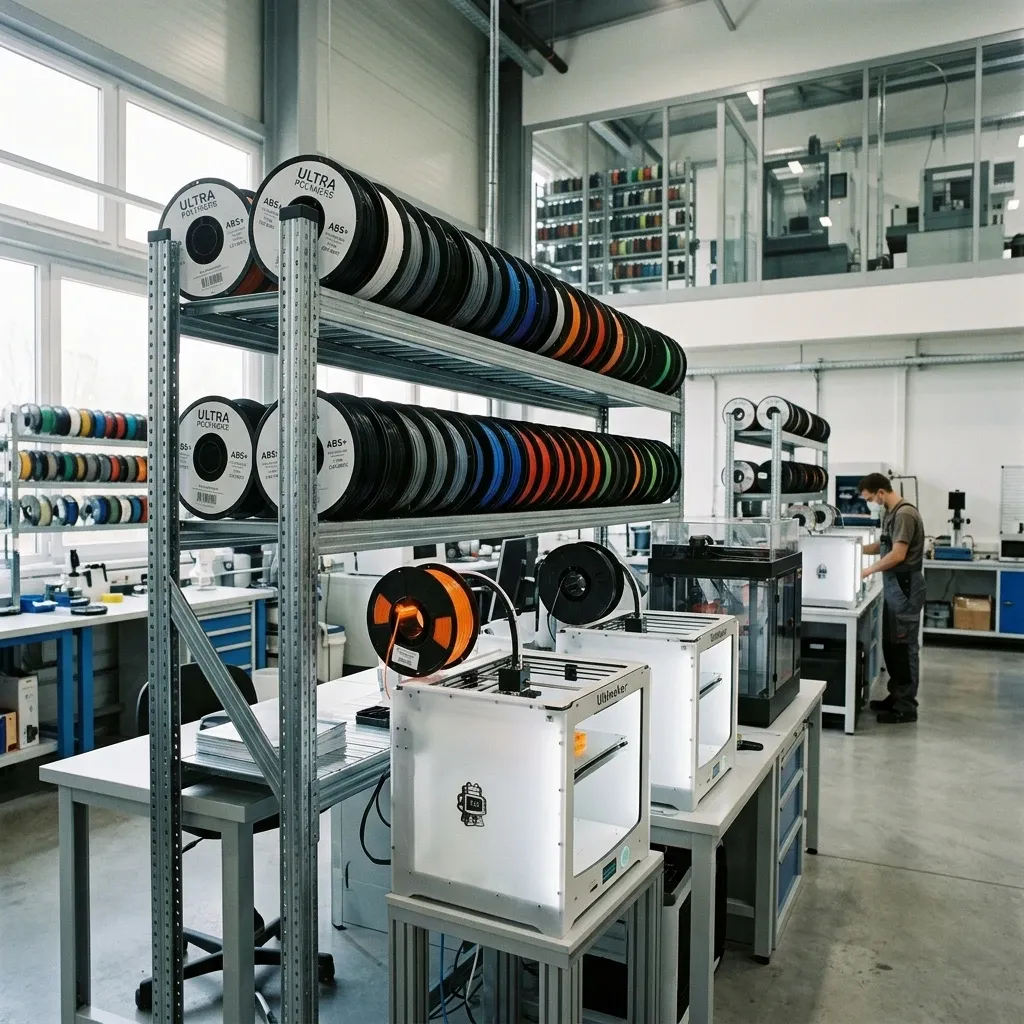
Prusament ABS: Practical Tips for Warp-Free Prints
To avoid warpage, use a brim with 8mm width, 0.2mm separation, first layer fan off, ramp to 30%. Bed temp 110°C on PEI with ABS slurry, chamber temp min 45°C. Dry at 80°C for 4 hours.
Anycubic Resin Wash Station: Settings and Material Science
Optimize your Anycubic wash station by adjusting cycle time based on part geometry using the formula t_wash = (r²/2D) × (1 + 10/Re^0.5). Add an external PID controller to stabilize IPA temperature and avoid overwashing thin shells.
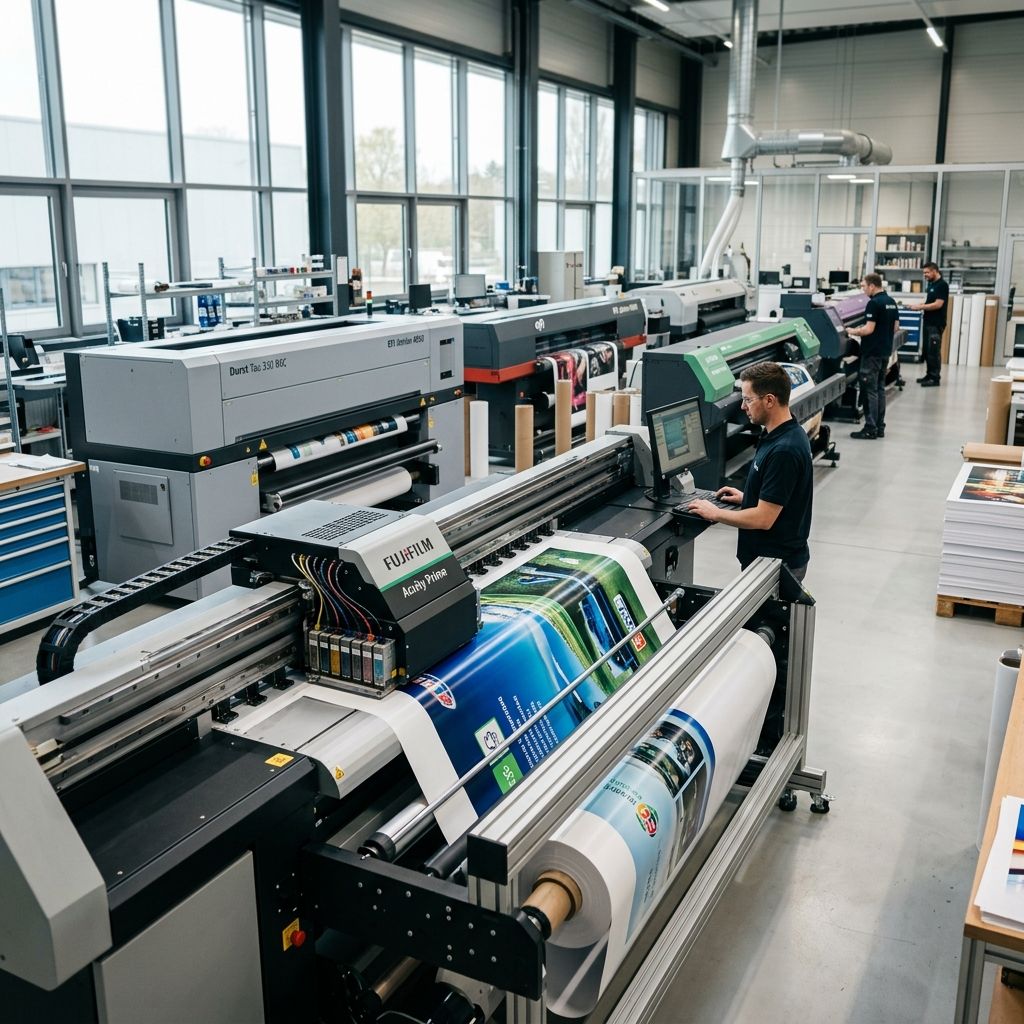
MFC-J5855DW: Common Problems and Fixes
The Brother MFC-J5855DW's printhead fluoropolymer coating wears after ~18k pages causing dot size increase. The ink tank hydrophobic vent can clog. Tighten carrier rail screws to 0.4 N·m, not 0.6, to avoid banding.
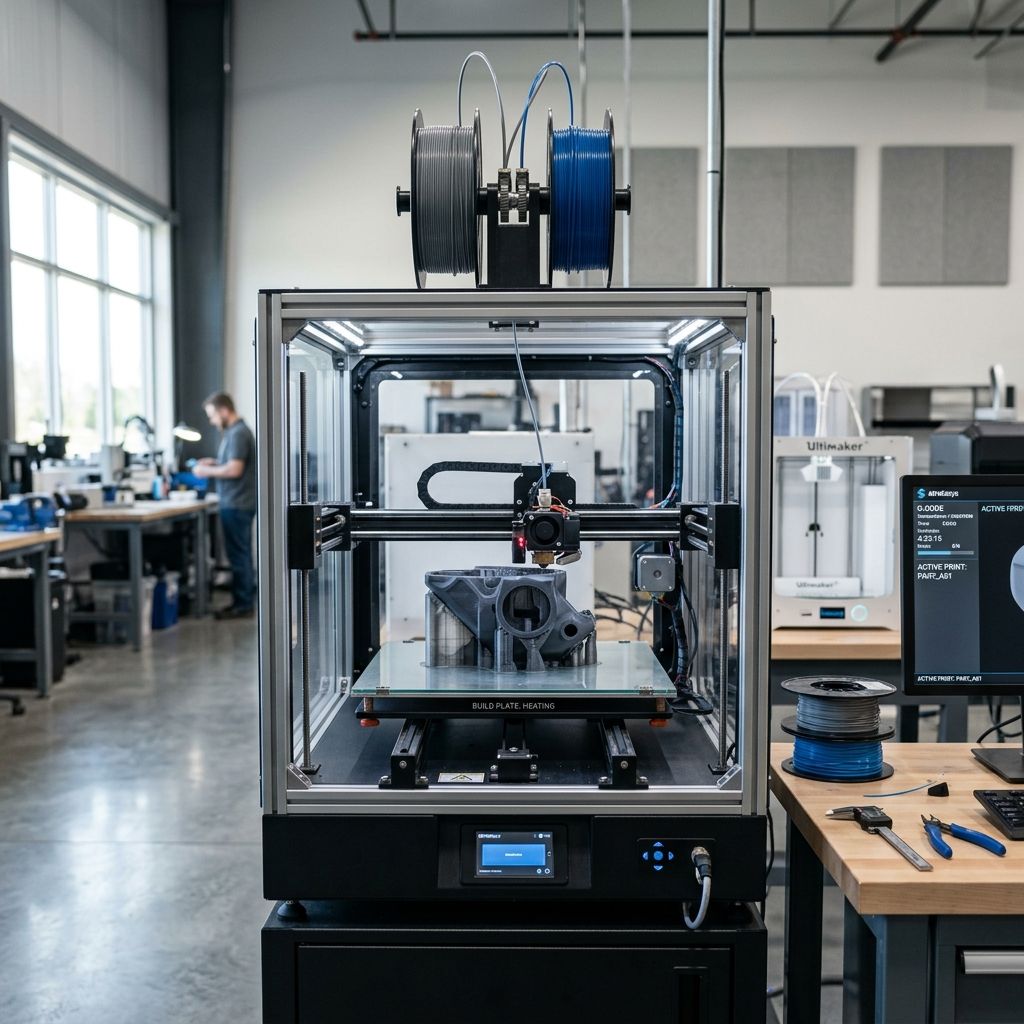
Ender 3 V3 SE, KE & CoreXZ: Material and Software Limits
The V3 SE and KE are limited to ~240°C due to PTFE hotends. The CoreXZ's full-metal hotend reaches 300°C, supporting PC, Nylon, and carbon fiber. Software tuning on KE helps but doesn't override material limits.
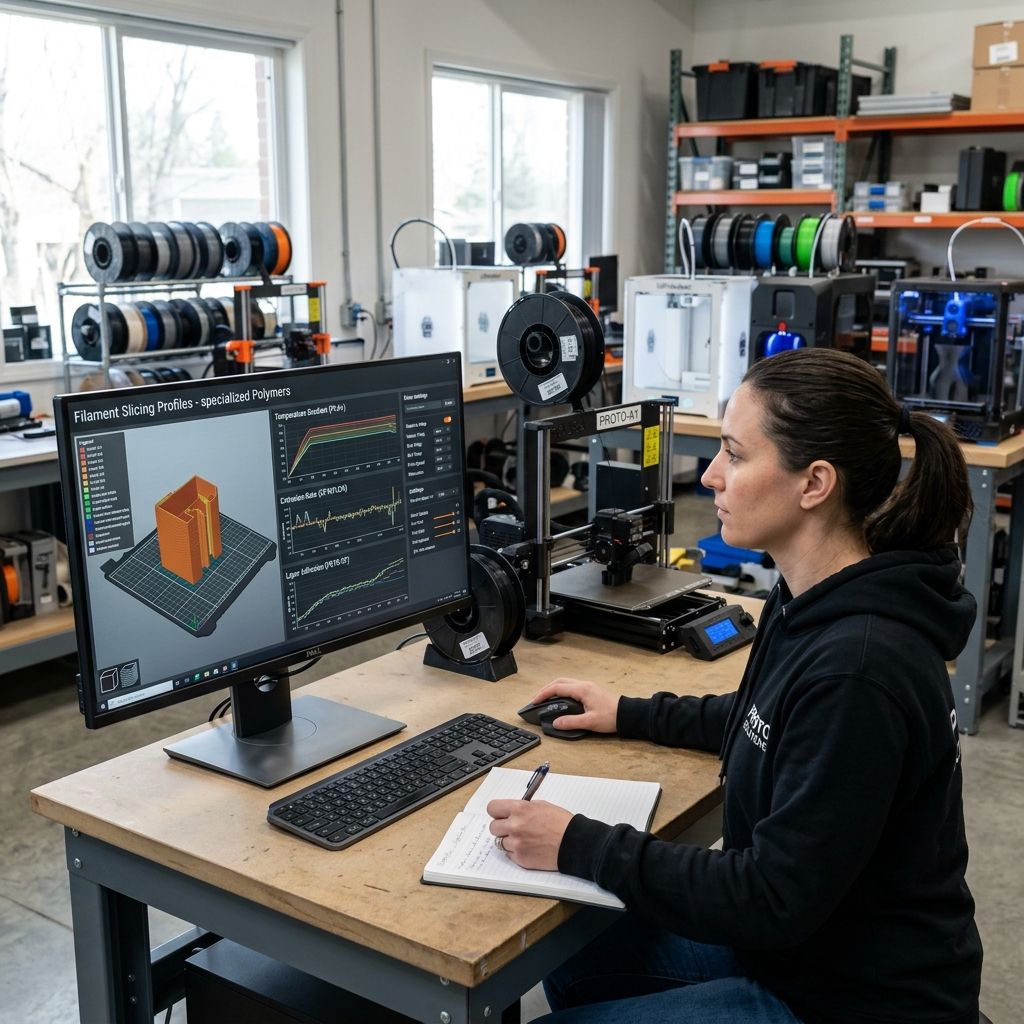
NVIDIA Get3D: Practical Mesh Generation for Engineers
I've evaluated Get3D from a workshop perspective: mesh watertightness, UV atlas issues, and hardware impact. This covers what you need to know before using it for industrial slicing.
Real-World Material Science of the Prusa MK4S
A material science autopsy of the Prusa MK4S vs MK4: frame stiffness, thermal expansion, hotend design, and real-world filament performance. Not a review, but practical insights from years of experience.
Prusa MK4S Material Science and Firmware Analysis
A practical look at the Prusa MK4S hardware and firmware: from the copper heatbreak's thermal conductivity to the 16x16 mesh bed leveling and input shaper algorithms. Includes notes on PETG adhesion, ABS thermal soak, and firmware update impacts.
Industrial Filament Profiles for Prusa MK4/S
Practical guide for high-temp filaments on Prusa MK4/S. Covers heatbreak differences, nozzle materials, and PID tuning for PC, PA, and composites. Includes lab-tested tips to avoid clogs and improve layer adhesion.