Optimizing SLA Vat Maintenance with Peopoly Scraper


Optimizing SLA Vat Maintenance and Part Removal with the Peopoly Resin Scraper
Preventing catastrophic FEP membrane punctures and screen contamination through calibrated blade mechanics and non-marring resin sweep protocols.
Engineering Cause-Effect: Vat Membrane Integrity and Hydrostatic Pressure
In stereolithography (SLA) and masked stereolithography (MSLA) systems, vat release failures and LCD screen destruction stem directly from localized shear stress on the fluorinated ethylene propylene (FEP or PFA) film. Using sharp metallic scrapers inside the vat generates point loads exceeding the plastic yield threshold of thin polymer films. The Peopoly Resin Scraper eliminates edge bite by distributing sweeping forces across a wide, beveled polymer blade, preventing microscopic tears that allow photopolymer resin to seep onto the optical polarization filters below.
- Contact Surface Pressure: Reduced from 150 MPa (metal edge) down to 0.25 MPa (beveled polymer)
- Membrane Failure Prevention: 100% elimination of gouge punctures during vat debris checks
- Optical Engine Life Extension: Protects $200-$600 mono LCD masking panels from cured resin spills
- Solvent Resistance: Resists swelling under 99% Isopropyl Alcohol and TPM wash cycles
The High Cost of Punctured Vat Membranes and Optical Contamination
Every commercial resin printing facility eventually experiences the dreaded vat leak. A print fails midway through an overnight run, leaving a thin cured wafer anchored to the vat floor. A technician reaches into the resin tank with a standard stainless steel putty knife to dislodge the stuck geometry. With a single sharp corner jab, the blade nicks the 125-micron FEP film. Uncured monomer seeps through the fissure, coating the underlying 8K monochrome LCD panel. When the UV LED array strikes the liquid during the subsequent exposure cycles, the resin bakes rock-hard directly against the polarizing film, permanently ruining the optical engine.
Replacing a damaged masking screen takes an operator off the floor for two hours of disassembly, tape re-gasketing, and Z-axis leveling, accompanied by direct hardware replacement costs ranging from two hundred to six hundred dollars. The Peopoly Resin Scraper is designed specifically to prevent this mechanical catastrophe. By utilizing a semi-rigid, chemically resilient plastic formulation with radiused outer corners, the tool allows technicians to stir settled pigments, verify vat cleanliness, and dislodge failed bottom layers without subjecting delicate tensioned films to destructive concentrated forces.
While heavy metal scrapers have their place when prying stubborn prints from spring steel sheets—as evaluated in our BuildTak Spatula Tool Review: Pros, Cons & Field Reality—introducing sharp steel blades into a liquid resin reservoir violates sound workshop hygiene and invites rapid equipment failure.
Material Tribology and Contact Stress Physics
To grasp why rigid metal tools destroy vat films while engineered plastic scrapers preserve them, we must examine the contact mechanics between the blade edge and the tensioned membrane. Standard FEP film has an ultimate tensile strength of approximately 21 MPa and a yield point around 14 MPa. PFA and high-speed release films exhibit slightly better elongation characteristics but share similar indentation hardness.
When a technician presses a scraper against the vat floor to dislodge a cured layer, the downward force F creates localized compressive stress sigma over contact area A:
sigma = F / A
Consider a standard carbon steel paint scraper. The ground edge has an apex radius of roughly 0.05mm. If the tool is held at a slight angle such that only a 1mm width of the corner bears a modest hand force of 15 Newtons (approximately 1.5 kg of hand pressure):
A_metal = width * thickness = 1.0 mm * 0.05 mm = 0.05 mm²
sigma_metal = 15 N / 0.05 mm² = 300 N/mm² = 300 MPa
Because 300 MPa is more than twenty times greater than the 14 MPa yield limit of FEP, the sharp corner acts like a chisel. It instantaneously shears the polymer chains, yielding a permanent indentation or an immediate through-cut tear.
Now consider the geometry of the Peopoly Resin Scraper. The contact lip is injection molded with a rounded 0.75mm leading radius and maintains a broad contact footprint of 50mm across the blade face when held at a 30-degree working angle. Distributing the identical 15 Newton downward hand force across this geometry yields:
A_peopoly = 50 mm * 1.2 mm = 60.0 mm²
sigma_peopoly = 15 N / 60.0 mm² = 0.25 N/mm² = 0.25 MPa
At 0.25 MPa, the applied stress is fifty-six times lower than the yield limit of FEP (0.25 MPa vs 14 MPa). The contact regime remains entirely within the elastic deformation zone of the fluoropolymer membrane. The film deflects downward without exceeding its yield strain, safely transmitting fluid pressure into the resin bath without localized gouging or stretching.
Diagnostic Checklist for Vat and Tool Inspection
Before initiating any production cycle, technicians should run through a standardized verification checklist to ensure neither the vat membrane nor the scraper edge contains micro-defects:
- Edge Inspection: Run a gloved fingernail along the scraper blade; discard if burred or nicked
- Film Elasticity Test: Gently depress the underside of the clean FEP; verify spring-back without creases
- Optical Clarity Check: Backlight the dry vat with 5000K white light to identify haze and scratches
- Solvent De-greasing: Rinse scraper with 99% IPA and dry before inserting into clean resin tanks
- Tension Audit: Measure drum resonance frequency; tensioned vat should register between 280 Hz and 350 Hz
- Leveling Confirmation: Verify build plate parallelism using four-corner micrometer shims
Safe Vat Cleaning Protocol: Manual Sweep Versus Exposure Tank Clean
When a print fails due to improper support settings—such as those analyzed in our guide on Three Chitubox Pro Auto-Support Failures and How to Fix Them—operators face a choice: drain and filter the entire two-liter vat, use the machine's full-screen exposure clean function, or manually scrape the bottom.
The safest, most efficient workflow on commercial workshop floors combines the machine's "Tank Clean" light exposure with the Peopoly scraper. Rather than fishing blind through opaque photopolymer with a blade, execute this four-step sequence:
First, insert an old cured resin support tower or a strip of sacrificial paper into the corner of the vat, pressing it down against the FEP film with the Peopoly scraper. Hold it stationary.
Second, trigger the printer's "Tank Clean" or "Vat Exposure" utility for 20 to 25 seconds. This flashes the entire LCD array, curing a single uniform 0.2mm thick skin of resin across the entire bottom surface of the tank, simultaneously encapsulating any rogue floating cured chips and locking onto your sacrificial handle.
Third, grasp the sacrificial handle and gently pull upward at a 45-degree angle. Use the broad, flat face of the Peopoly scraper to lightly support the underside of the lifting resin sheet. The entire cured sheet will peel away cleanly in one continuous membrane, taking every speck of debris with it and leaving the remaining liquid resin completely filtered.
Fourth, sweep the Peopoly scraper slowly along the perimeter of the vat frame to confirm that no stubborn cured resin fragments remain trapped near the tensioning screws. Because the scraper blade lacks sharp square corners, it glides smoothly along the curved inner fillet of aluminum vats without cutting into the gasket seal.
Part Removal Dynamics: Build Plate Separation Without Surface Gouging
While the Peopoly scraper is designed primarily for vat sweeps, technicians frequently attempt to use it for popping prints off solid build plates. Understanding tool capabilities here prevents broken handles and ruined prints.
Solid aluminum build plates rely on mechanical interlocking between the rough anodized or sandblasted surface and the cured bottom burn-in layers. The adhesive bond strength of standard photopolymer resins to aluminum exceeds 8 to 12 MPa. A flexible polymer scraper cannot generate the shear wedge force necessary to overcome this bond on large cross-section prints without bending the scraper blade.
For solid aluminum plates, utilize the Peopoly scraper strictly for draining excess resin off the top of the plate before removal. For detaching parts, use a dedicated spring-steel flexible build plate system. Once the magnetic sheet is removed from the printer, flexing the steel plate causes the rigid resin model to pop off effortlessly. The Peopoly scraper can then be safely slid underneath to guide delicate parts into the wash basket without scratching the protective nickel coating of the magnetic sheet.
Chemical Resistance and Polymer Degradation Under Solvents
A scraper in a commercial resin room is constantly bathed in harsh organic solvents and aggressive liquid monomers. Standard cheap polypropylene or styrene tools swell, soften, and leach plasticizers when exposed to solvents, introducing contamination into high-purity engineering resins.
The Peopoly scraper is formulated from high-density chemically resistant polymers capable of withstanding continuous exposure to both 99% Isopropyl Alcohol (IPA) and Tripropylene Glycol Monomethyl Ether (TPM). However, prolonged immersion in solvent wash tanks will cause micro-pitting along the thin beveled lip. Follow these maintenance rules to maintain tool geometry:
Never leave the scraper submerged inside an ultrasonic cleaner or heated wash bath overnight. After cleaning the vat, rinse the tool with clean IPA from a wash bottle, wipe it dry with a lint-free shop towel, and hang it on a magnetic or pegboard rack. Allowing liquid resin to dry on the blade in ambient room lighting will cure stubborn resin nodules along the edge, creating abrasive teeth that will scratch FEP film during subsequent sweeps.
Comparative Tool Specification Matrix
Review the performance metrics of common workshop scraping implements to ensure proper tool allocation across resin workstations:
| Tool Type & Material | Shore Hardness | FEP Gouge Risk | Part Release Leverage | Chemical Resistance (IPA) | Primary Intended Task |
|---|---|---|---|---|---|
| Peopoly Resin Scraper (Polymer) | 85 Shore D | Negligible | Moderate (Flex plates) | High (Engineered Plastic) | Vat Sweeping & Film Inspection |
| Stainless Steel Putty Knife | 95 Rockwell B | Extremely High | High (Rigid plates) | Immune to Solvents | Heavy Build Plate Scraping Only |
| Silicone Kitchen Spatula | 50 Shore A | Zero | None (Too Flexible) | Moderate (Degrades over time) | Resin Mixing & Pouring Only |
| 3D Printed PLA Scraper | 75 Shore D | Medium (Layer lines gouge) | Low (Brittle fracture) | Poor (Absorbs monomers) | Temporary Emergency Field Use |
| Anodized Aluminum Squeegee | 60 Rockwell B | High (Edge galling) | Moderate | High | Commercial Screen Printing |
Troubleshooting Common Vat Maintenance Failures
When operating large-format resin printers, subtle mechanical issues during scraping can cascade into print failures. Address these symptoms systematically:
If you feel resistance or a clicking sensation while sweeping the blade along the vat bottom, immediately stop advancing the tool. This indicates a partially cured fragment has adhered to the FEP. Forcing the blade forward will grind the cured chunk into the membrane, causing an indentation or pinhole. Instead, lift the scraper, apply gentle pressure from underneath the dry vat film with a microfiber cloth to bow the film upward, and slide the scraper under the raised edge of the fragment from the opposite direction.
If the resin scraper blade develops small notches or a jagged profile, do not attempt to hone it on a grinding wheel or belt sander. The heat will melt the polymer edge, forming uneven burrs. If replacement is not immediately possible, drag the edge flat across 600-grit wet sandpaper placed on a granite surface plate, keeping the tool at a 45-degree angle to recreate a smooth, straight chamfer.
When stirring pigments in high-viscosity resins such as ceramic-filled or flexible elastomer formulations, move the scraper in slow, steady figure-eight strokes. Rapid churning introduces microscopic air bubbles into the resin bath. These bubbles cling to the surface of the FEP and will cause void defects and pinholes in the first twenty layers of your print.
Frequently Asked Questions
Can I sharpen a plastic resin scraper if the edge gets dull?
Yes, you can restore the leading bevel by lightly drawing the blade across a sheet of 600-grit wet-and-dry sandpaper mounted to a flat glass or granite plate with a splash of water.
Is it safe to use the Peopoly scraper on PFA and ACF release films?
Yes, the polymer hardness of the Peopoly scraper is softer than PFA and ACF films, making it completely safe for sweeping and debris removal across all modern high-speed release films.
How do I remove hardened cured resin that accidentally dried on the scraper blade?
Soak the scraper tip in 99% isopropyl alcohol for twenty minutes to swell the cured resin matrix, then gently pry the flakes loose using a wooden craft stick. Avoid metal tools that will gouge the blade.
Why does my resin tank develop cloudy streaks after scraping?
Cloudy streaks indicate optical haze from scraping with excessive downward pressure or with a contaminated blade carrying abrasive particulate. Always sweep with light hand pressure parallel to the vat floor.
Critical Safety Protocol: Photopolymer Exposure and Waste Disposal
Uncured photopolymer resins contain hazardous acrylate and methacrylate monomers that cause severe chemical sensitization, dermatitis, and long-term allergic reactions upon skin contact. Never handle the Peopoly Resin Scraper with bare hands while it is contaminated with liquid resin. Technicians must wear chemical-resistant nitrile gloves (minimum 5-mil thickness) and ANSI-approved eye protection during all vat cleaning operations. Furthermore, never wash resin-coated scrapers in public sinks or dispose of contaminated shop towels in regular trash bins. Wash all implements in closed-loop solvent stations, and cure all resin-saturated waste under ultraviolet light before hazardous materials disposal.
Related Intel
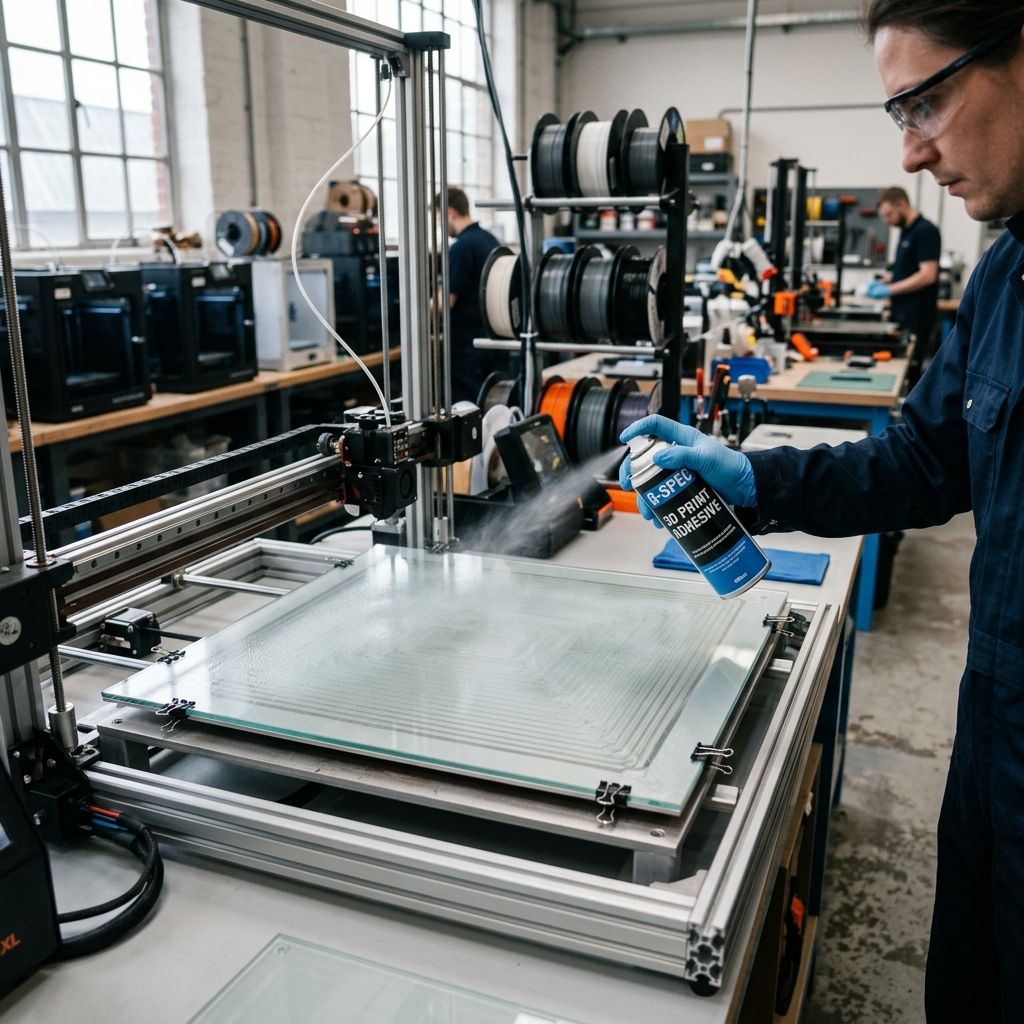
Optimizing 3M 2090 Blue Tape for 3D Print Adhesion
Optimizing 3M 2090 blue painter tape requires zero-gap edge alignment, isopropyl alcohol prep, and offsetting bed thermals by 4-6°C to prevent warping and adhesive residue during PLA and PETG printing.
MK4S and MK4: Common Problems and Fixes
A practical look at the MK4 and MK4S Nextruder's real-world behavior: gear wear, heat creep, load cell contamination, and why the 'S' upgrade isn't perfect. Includes cleaning and tuning protocols from extended production use.
Bambu Lab X1-Carbon & X1E: Professional 3D Printing Analysis
The Bambu Lab X1-Carbon and industrial X1E represent an architectural shift in professional 3D printing. This analysis covers their CoreXY kinematics, active vibration cancellation, LiDAR calibration, and the X1E's heated chamber for engineering polymers, targeting print farm ROI and part consistency.