Buying & Comparison Guides
Explore in-depth technical guides, machine troubleshooting, benchmarks, and engineering reviews for Buying & Comparison Guides at The Industrial Maker.

MyMiniFactory Platform Review and Mesh Quality Guide
MyMiniFactory provides curated 3D printable digital assets with automated manifold geometry validation, commercial merchant licensing, and Tribes subscription models.
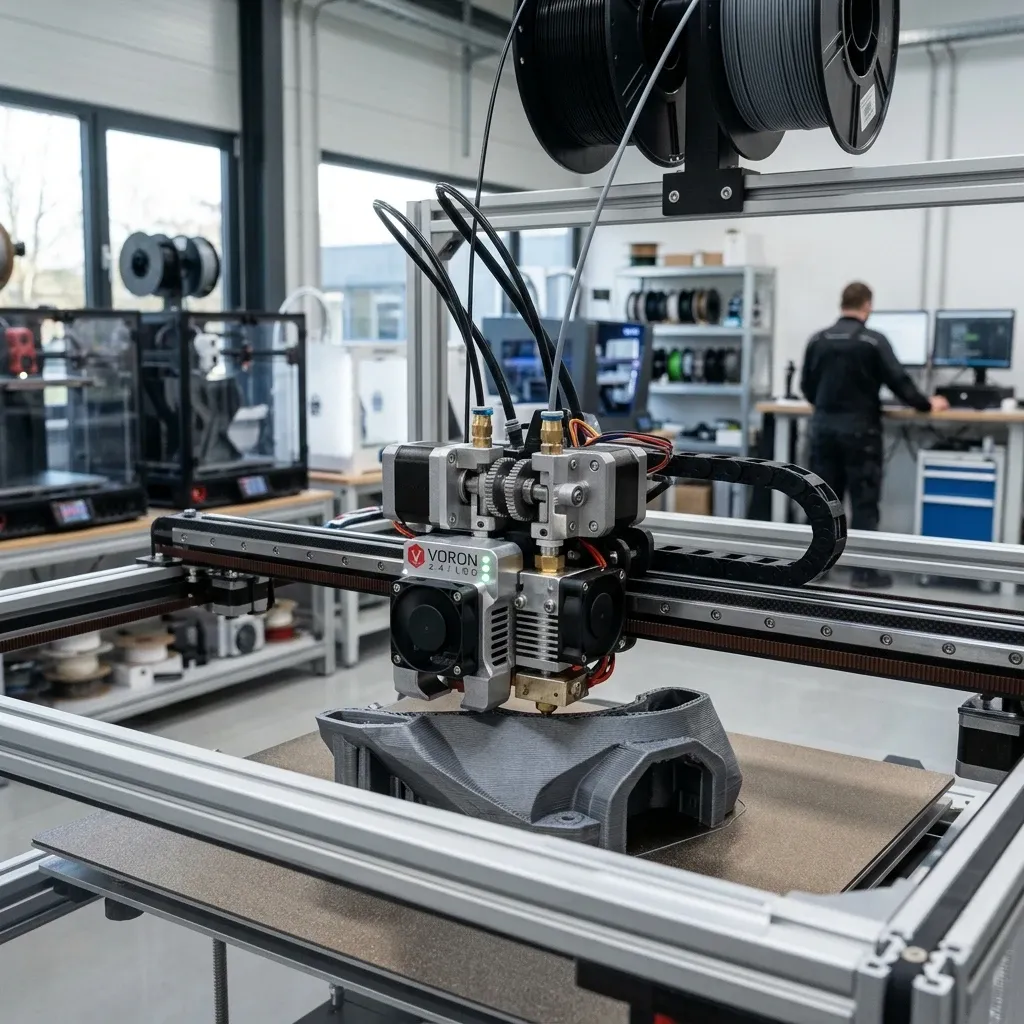
Micro Swiss Direct Drive vs Micro Swiss NG Comparison
A hands-on workshop comparison between the classic Micro Swiss direct drive and the 3:1 geared NG system, featuring toolhead resonance calculations and maintenance teardowns.
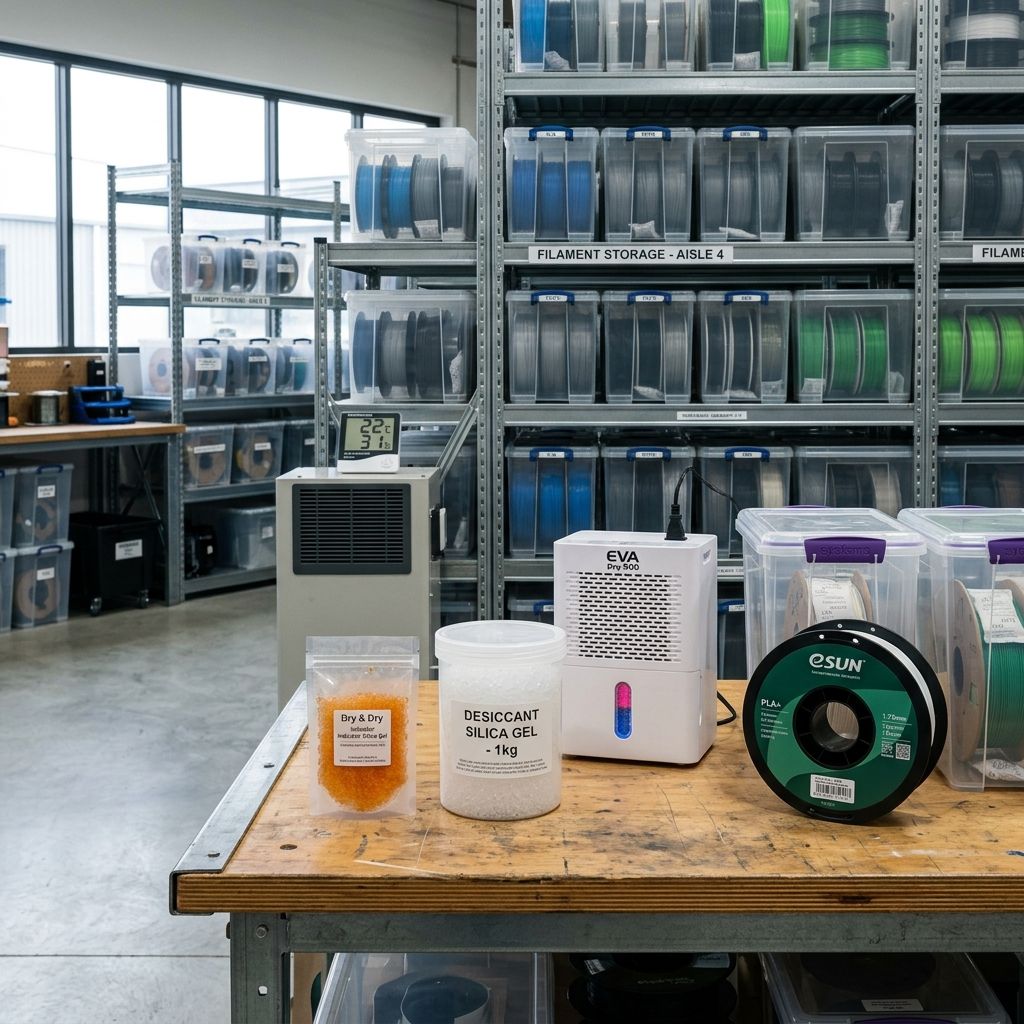
Wisedry 50g Desiccant Packs: Real Workshop Analysis
Wisedry 50g reusable silica gel packs adsorb up to 32% moisture by weight and regenerate at 110°C, providing clean, dust-free humidity control for 3D printer filament dryboxes.
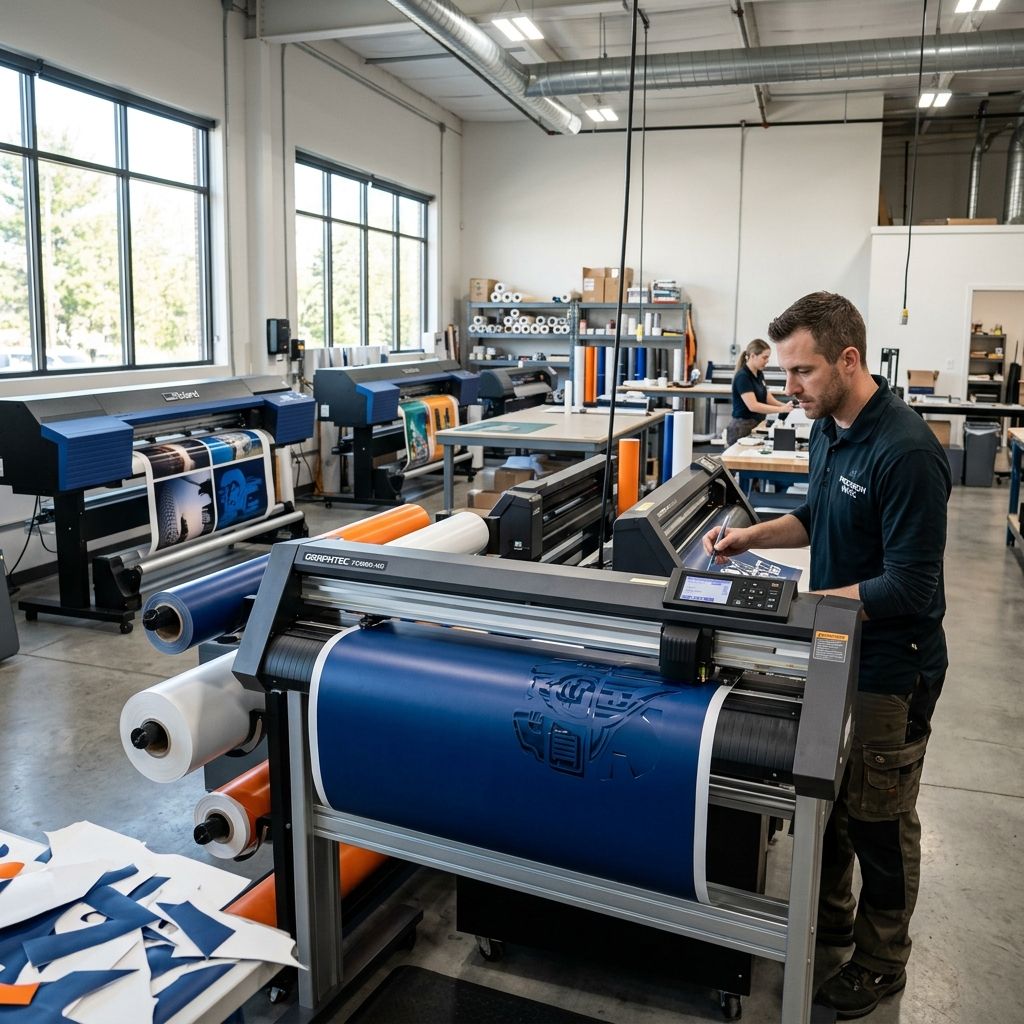
xTool M1 Ultra Buying Guide: Shop Floor Reality
An engineering evaluation of the xTool M1 Ultra 4-in-1 machine, assessing diode laser optics, drag-knife tolerances, inkjet reliability, and real workshop payback.
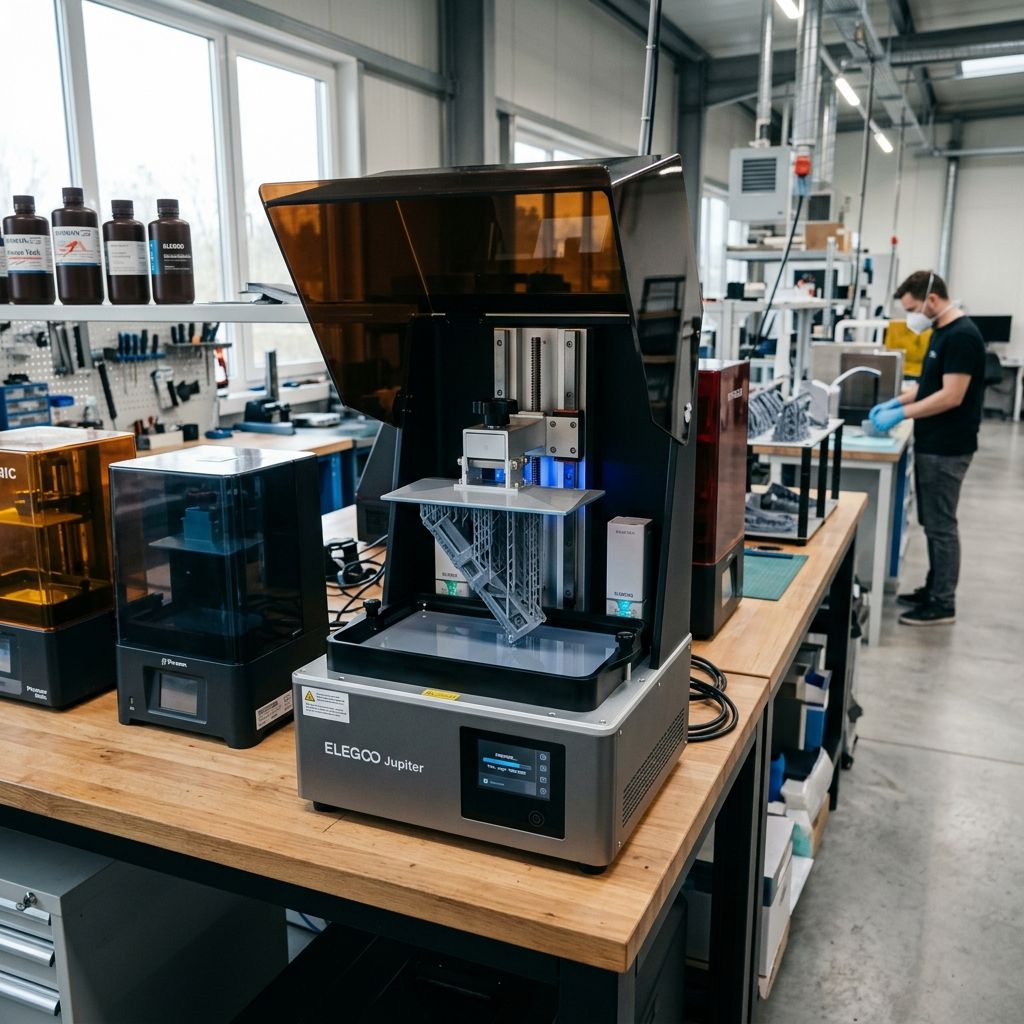
UniFormation GKTwo 12K Review and Comparison
The UniFormation GKTwo 12K combines a 29.7 µm 10.3-inch LCD with an integrated PTC vat heater and quick-release hardware, solving cold-resin failures in production workshops.
MyMiniFactory Review: Studio ROI and Mesh Reliability
MyMiniFactory offers high-quality, pre-tested 3D print assets and merchant licenses that cut studio modeling costs by up to 90%, though teams must still verify drain holes and support geometry.
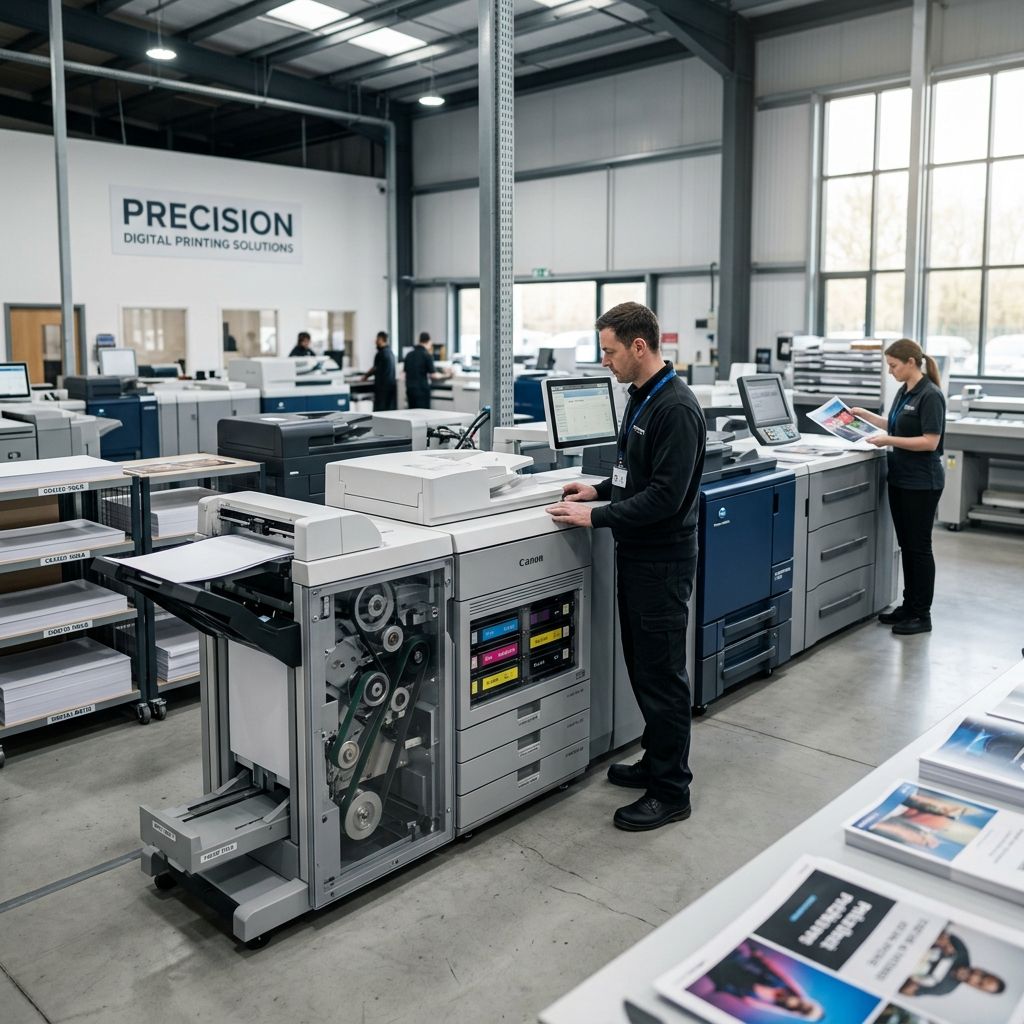
HP LaserJet M507dn: Real-World Engineering Analysis
The HP M507dn has a thermal duty cycle of 80k pages/month but fuser entry jams at 12mm radius with heavy stock. OPC drum life drops to 50k in humidity. Measure feed roller pressure at 200-240 grams to avoid multifeeds.
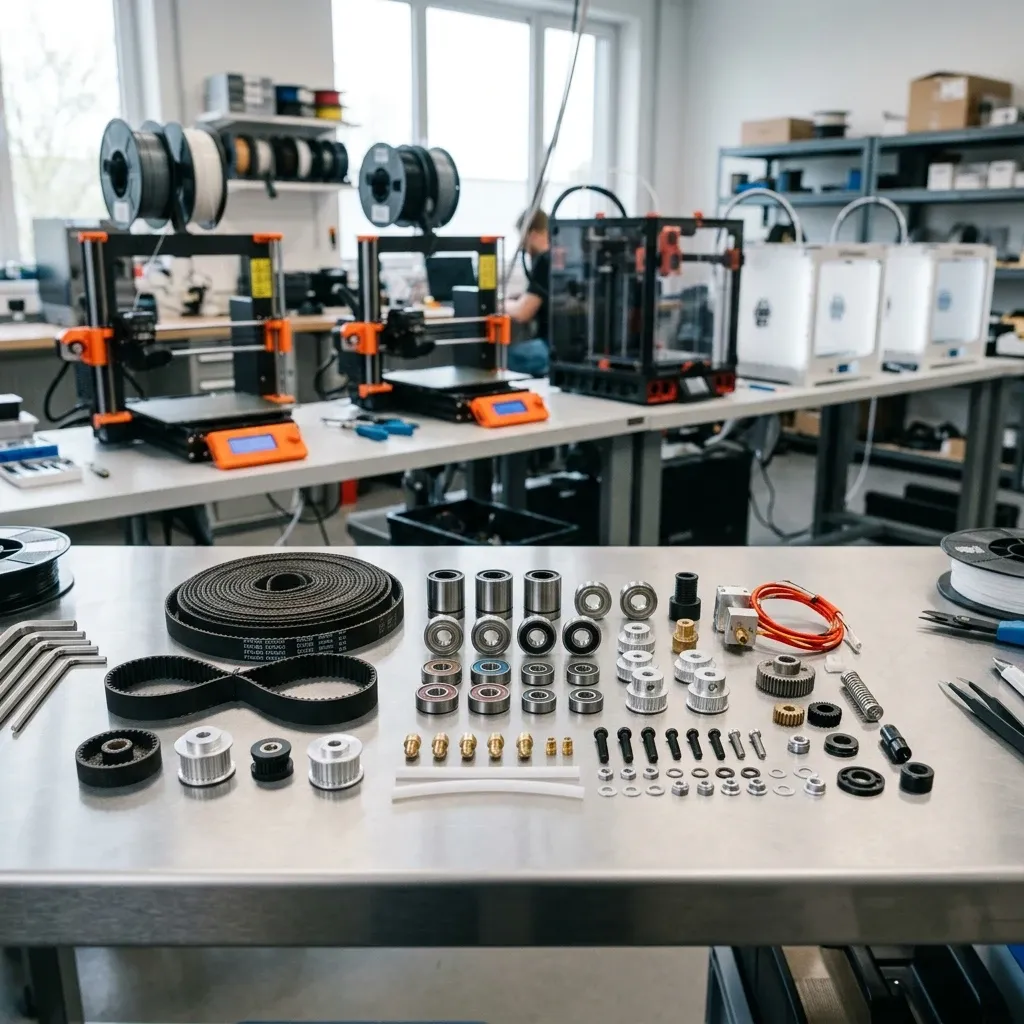
Replacement Timing Pulleys: A Field Guide to Belt Drive Precision
When replacing timing pulleys, focus on bore concentricity (≤0.05 mm runout), tooth flank finish (Ra≤1.6 μm), and set screw torque (1.5-2 N·m). Soft alloys and rough flanks cause premature belt wear and positional errors.
Phrozen PFA vs FEP: Real Differences for Resin Printing
Phrozen's PFA film (nFEP) has lower surface energy than FEP, reducing peel forces by 15-20%, which improves print success with high-viscosity resins. It costs 2-3x more but lasts 30-50% longer if installed with correct tension.
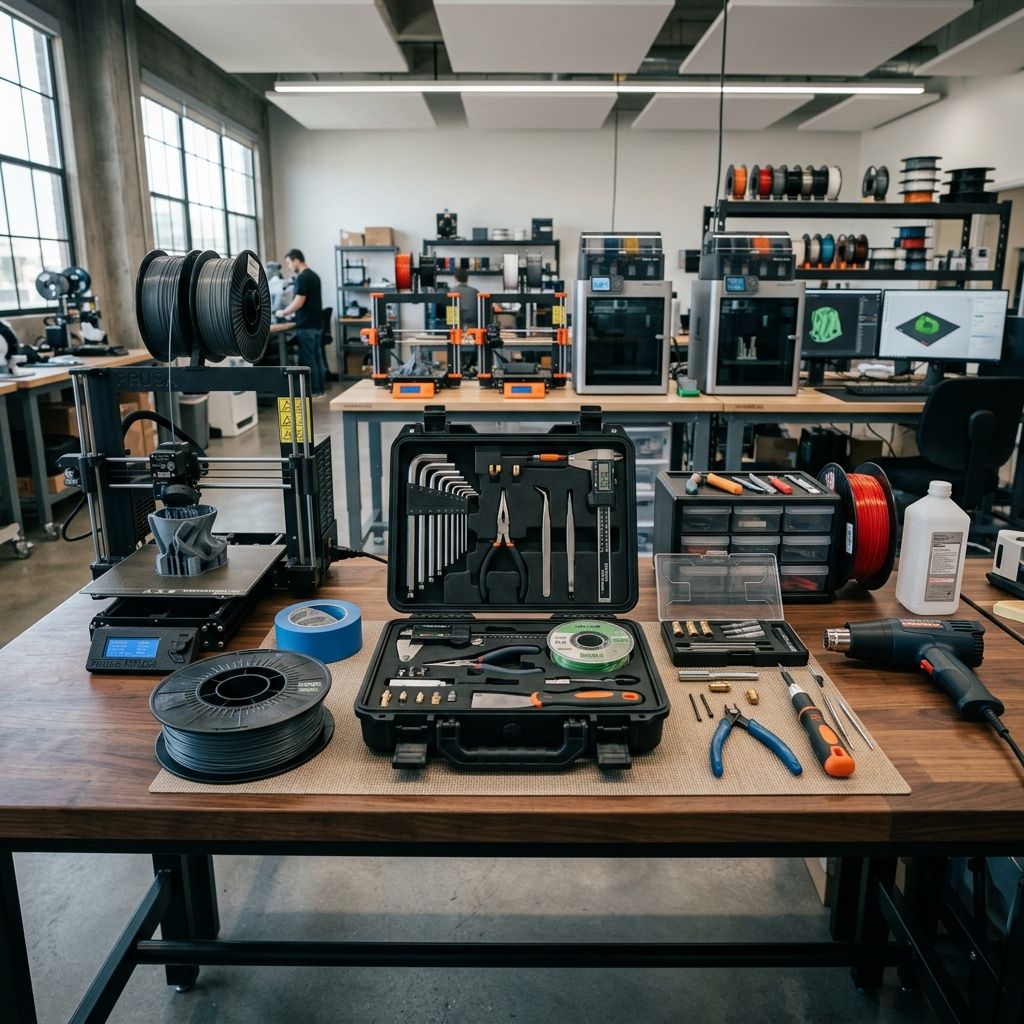
Anycubic Tool Kit: Buying Guide for Makers
Anycubic Tool Kit: decent entry-level set with essential tools. Weak points: hex driver handles wear out, needles too soft. Brass brush is standout. Worth it for hobbyists, not for heavy daily use.
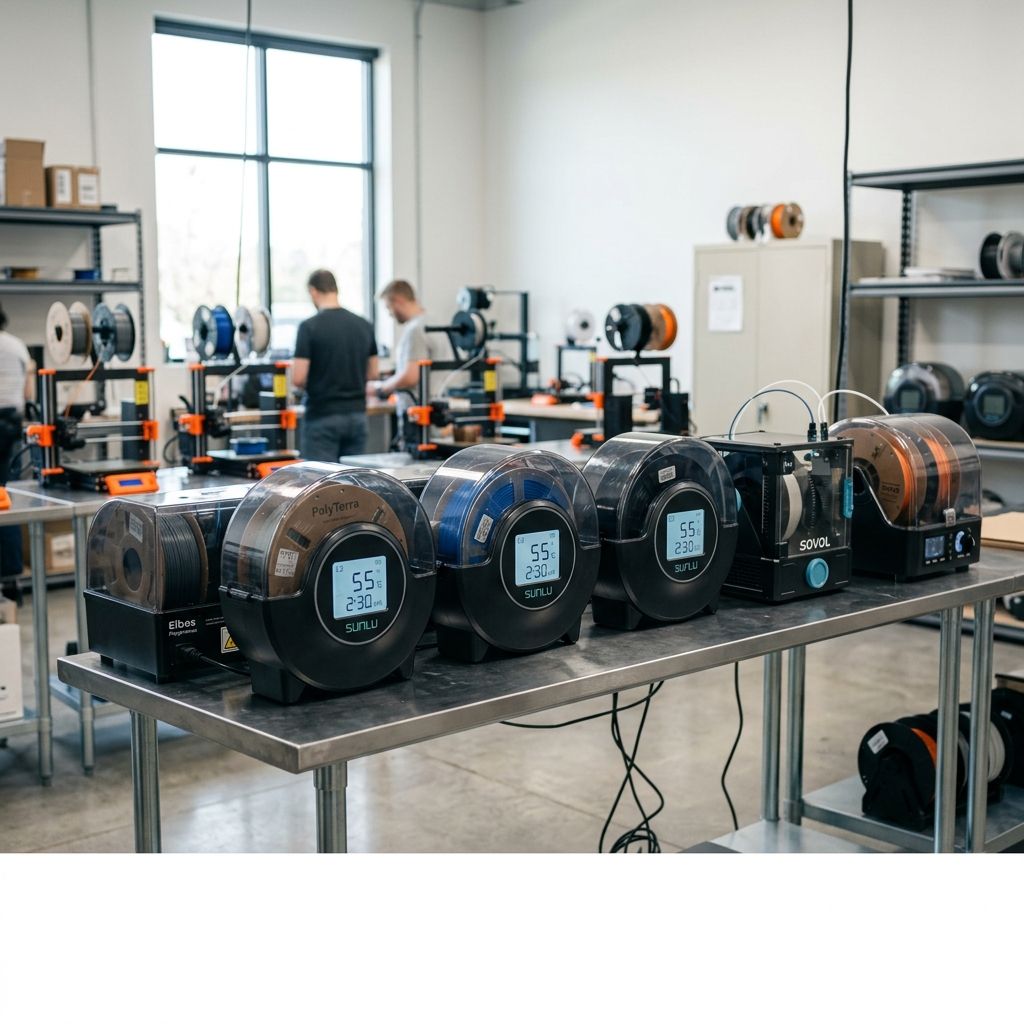
Creality Space Pi Filament Dryer: A Practical Review
After 200 hours of testing with PA12, PETG, and TPU, the Creality Space Pi shows significant temperature variance (±5°C) and poor air circulation, making it a budget option with compromises. Built decently but heater and controller are outdated.
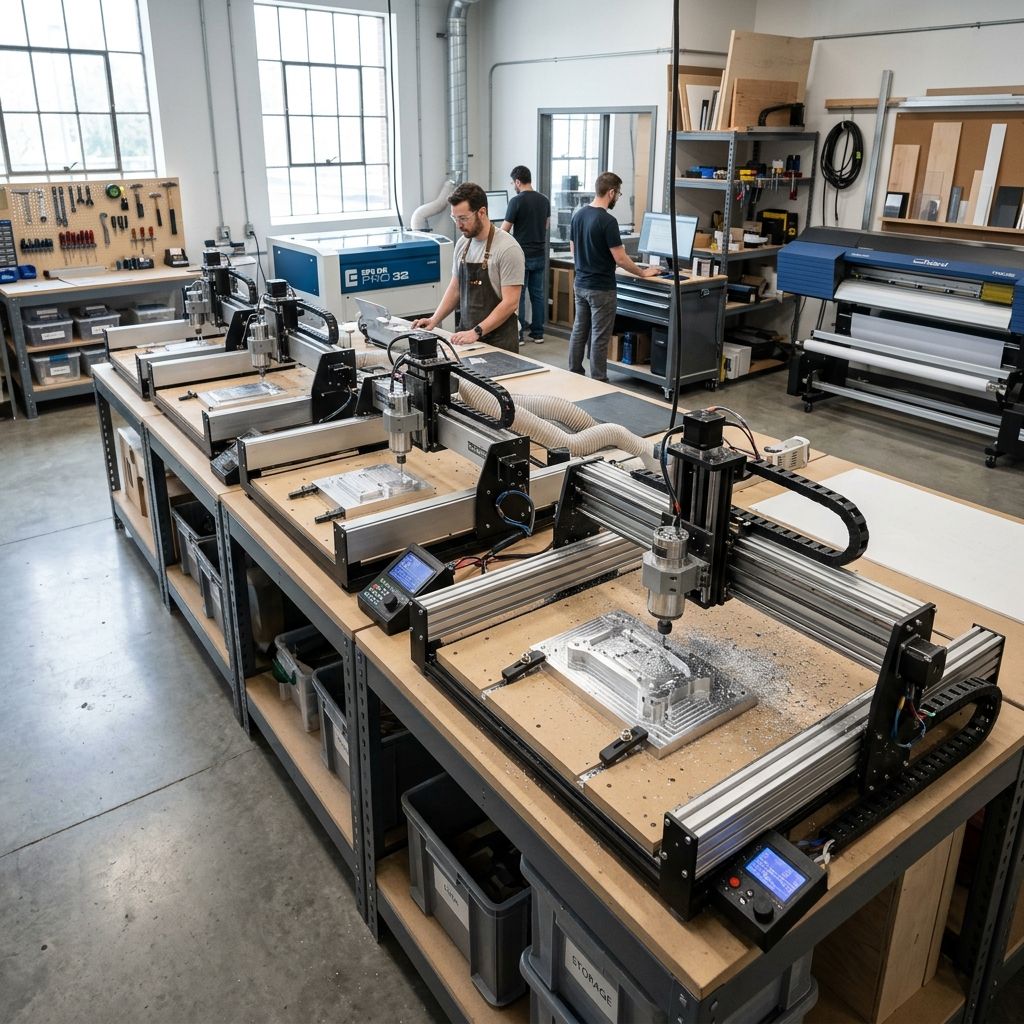
MillRight MegaRouter CNC: Job Shop Review
The MillRight MegaRouter is a steel-frame CNC router for small-batch parts in wood, plastic, and aluminum. At half the price of a Tormach, it delivers 80% throughput for parts under 24x24 inches. However, expect a DIY software setup and manual tool changes.