Buying Guides
Explore in-depth technical guides, machine troubleshooting, benchmarks, and engineering reviews for Buying Guides at The Industrial Maker.
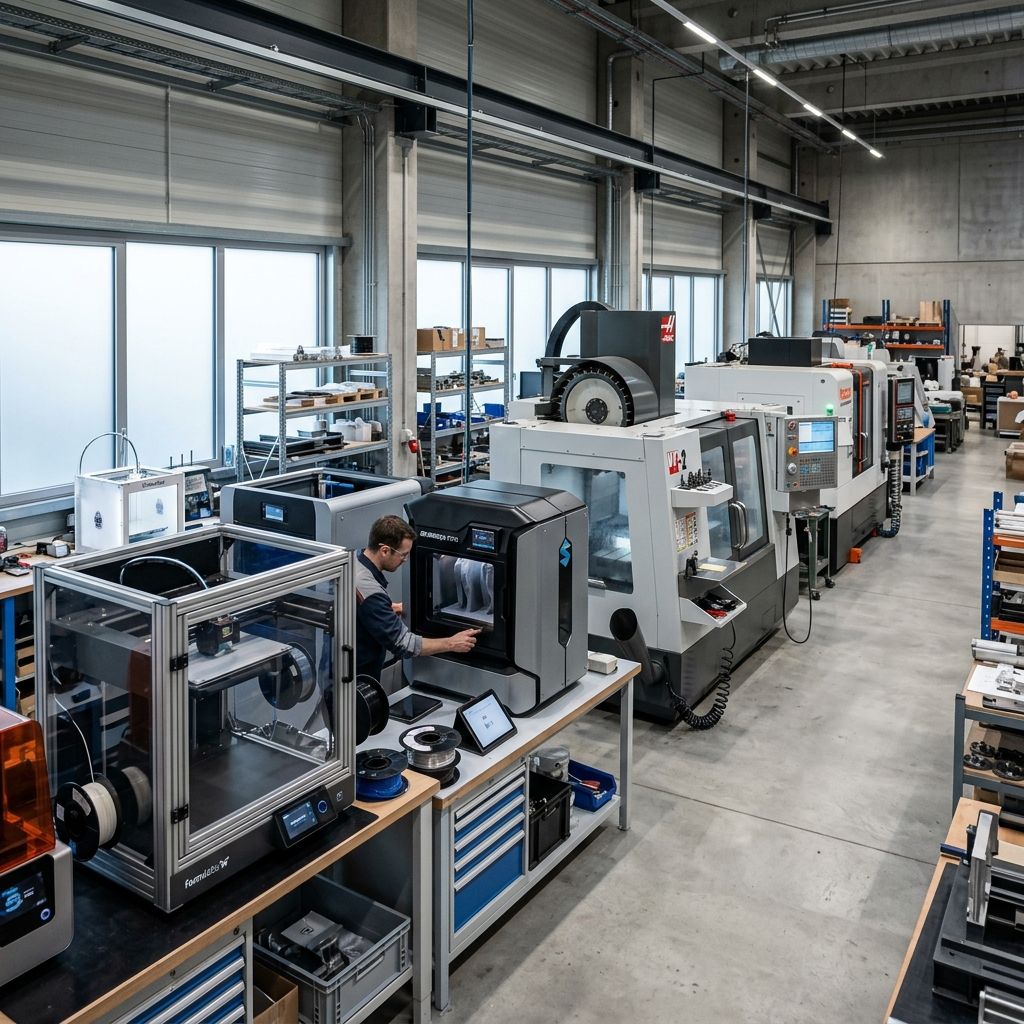
Bambu Lab X1-Carbon vs X1E Industrial Procurement & Engineering Evaluation: Chamber Thermal Control, Ethernet Networking, and Carbon-Fiber Toolpath Mechanics
An exhaustive engineering procurement evaluation comparing the Bambu Lab X1-Carbon and enterprise-grade X1E. This deep technical breakdown examines active versus passive chamber thermal dissipation (60°C heated chamber convection dynamics), hardware-isolated enterprise networking (physical Ethernet, 802.1X, and kill switch isolation), abrasive fiber extrusion tribology under continuous PAHT-CF and PPS-CF toolpaths, volumetric melt zone kinetics, and comprehensive multi-year workcell Total Cost of Ownership (TCO) modeling.
Bambu Lab X1-Carbon & X1E Workshop Troubleshooting Manual: Root-Cause Physics, Extruder Heat Creep, and Sensor Calibration
Resolving chronic operational failures on the Bambu Lab X1-Carbon and X1E requires shifting from trial-and-error adjustments to root-cause engineering diagnostics. Common shop-floor malfunctions—including cold-end filament swelling (heat creep) during enclosed PLA printing, AMS retraction stalls, Micro Lidar first-layer optical false positives, and resonance frequency drift on unlubricated carbon rods—stem from fundamental thermodynamic, mechanical, and optical interactions. This comprehensive workshop manual details the physics of extrusion clogs, precise belt resonance re-tensioning at 78 Hz, PTFE curvature pinch-point remediation, and closed-loop lidar recalibration routines to restore 99.8% first-pass production yield across commercial print fleets.
Bambu Lab X1-Carbon & X1E Technical Procurement Guide: Kinematics, Thermal Management, and Enterprise Reliability
Evaluating the Bambu Lab X1-Carbon and X1E for high-output engineering environments requires bypassing consumer speed claims to inspect structural resonance limits, hotend fluid dynamics, active versus passive thermal convection, and network cryptographic posture. While the X1-Carbon represents a high-speed benchmark for rapid prototyping up to 300°C, the X1E introduces active 65°C chamber heating, an upgraded 320°C hotend, and physical Ethernet air-gapping critical for engineering thermoplastics like PA-CF, PC, and PPS. This deep technical evaluation analyzes mechanical deflection, maximum volumetric throughput, internal cross-linking wear cycles, and total machine workcell ROI.
How to Choose Between Bambu Lab X1-Carbon and X1E for Industrial Workcells: Workshop Failure Modes & Procurement Guide
Selecting between the Bambu Lab X1-Carbon and X1E requires evaluating precise operational boundaries: chamber thermodynamic physics, network air-gap compliance, and continuous duty-cycle failure modes. Synthesizing hundreds of hours of production workshop data, this engineering guide evaluates root-cause failure mechanisms including nylon delamination under passive cooling, carbon-rod abrasive slurry wear, and LiDAR sensor attenuation on textured surfaces. We outline mathematical models for thermal shear gradients, calculate machine hourly amortization rates, and deliver a definitive procurement matrix for rapid prototyping cells, defense contractors, and high-mix low-volume manufacturing facilities.

PrusaSlicer Technical Guide: Mesh Repair & Toolpath Math
Foundational engineering guide to PrusaSlicer toolpath compilation and geometric mesh diagnostics. Covers non-manifold boundary repair algorithms, ArcWelder G2/G3 arc interpolation math, buffer underrun kinematics, and flow pressure stabilization.
PrusaSlicer Enterprise Guide: B2B Slicing Architecture & ROI
Definitive B2B architectural evaluation of PrusaSlicer for commercial additive manufacturing. Details the Arachne medial axis engine, native STEP AP214 geometry parsing, headless CLI server pipelines, non-Newtonian melt rheology limits, and shop floor fleet ROI.
What to Look for in Industrial Slicers: PrusaSlicer Guide
Comprehensive engineering evaluation of industrial slicer software focusing on PrusaSlicer architecture. Covers Arachne variable-width toolpaths, dynamic volumetric speed clamping, analytical STEP geometry slicing, headless CLI farm automation, and G-code macro kinematics.
Industrial Slicer Architecture: Mesh Diagnostics, ArcWelder Kinematics, and Melt Pressure Equations
An advanced technical manual for manufacturing engineers on slicer internals. Covers non-manifold mesh reconstruction, G2/G3 ArcWelder circular trajectory compression, Hagen-Poiseuille nozzle pressure drop equations, and dynamic pressure advance tuning.
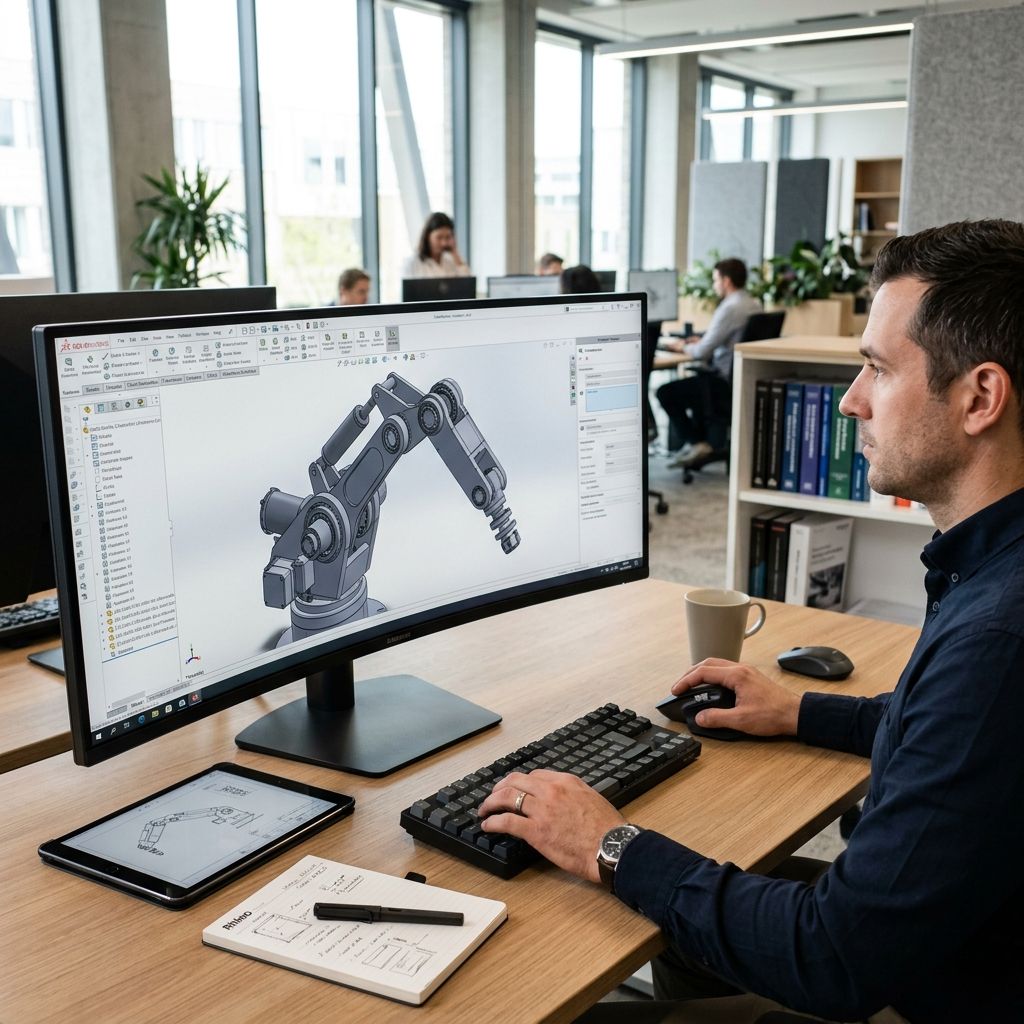
AutoCAD Buying Guide: Shop-Floor Architecture & ROI
AutoCAD remains an essential industry benchmark for 2D drafting and DWG interoperability, but its $2,030 annual seat cost demands heavy AutoLISP workflow automation to justify capital investment over modern parametric suites.
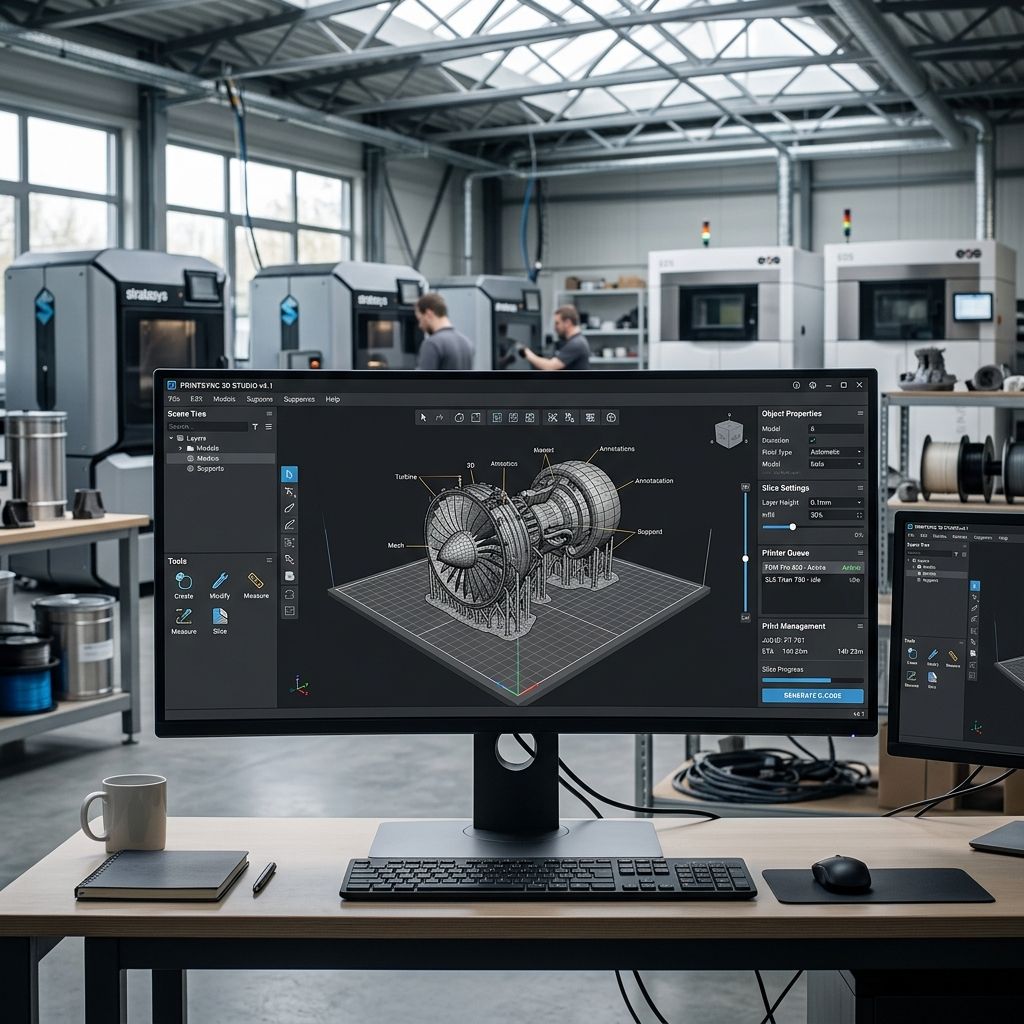
ZBrush Buying Guide: Industrial Additive ROI & Workflow
Definitive ZBrush procurement guide for industrial design and additive manufacturing. Evaluate polygon limits, Decimation Master chordal error, licensing ROI, and watertight mesh pipelines.
Chitubox Pro Review: Industrial SLA Slicing and ROI
In-depth Chitubox Pro architectural review: evaluate advanced auto-support branching, Stefan-Reynolds suction peel physics, STEP CAD imports, and enterprise shop ROI.

LDO Tool Kit for Voron: Beginner Buying Guide
A comprehensive beginner buying guide evaluating the LDO Tool Kit for Voron 3D printer assembly, analyzing fastener torque physics, heat-set tips, and frame alignment.